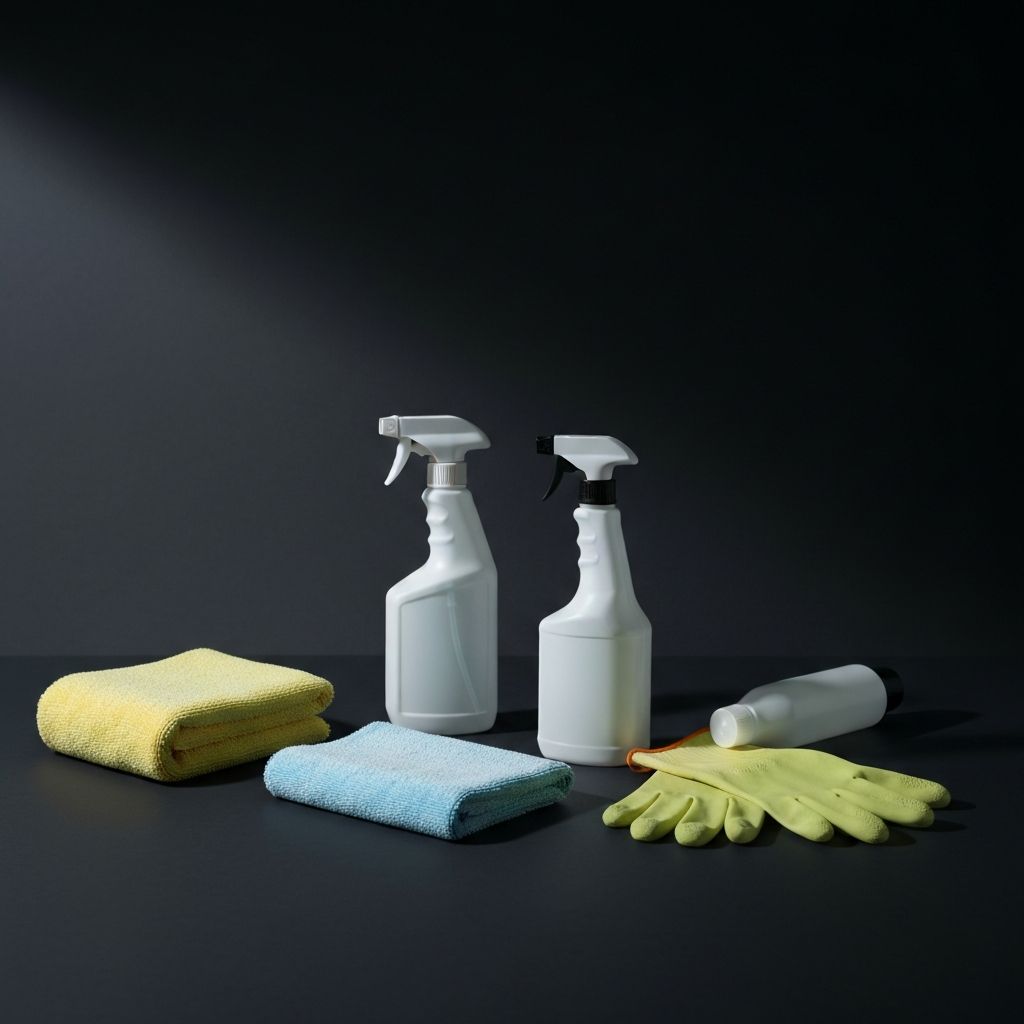
Mattress Fiberglass Cleanup Guide
Taking Back Your Space Safely: A comprehensive, scientifically grounded step-by-step framework for managing fiberglass contamination.
Discovering a fiberglass leak is frightening and exhausting, but you are not alone. Act deliberately, follow the science, and take your time.
Primary Recommendation
The only fully reliable, safe, and effective method for comprehensive fiberglass decontamination is hiring a certified professional environmental remediation company. This DIY guide is provided strictly as a last resort for harm reduction if professional options are financially unavailable.
DIY Liability Notice
By proceeding, you agree that you perform this cleanup at your own risk. DIY cleanup reduces hazards but cannot guarantee complete microscopic fiber elimination. This text does not constitute legal or medical advice.
NEVER REMOVE YOUR MATTRESS COVER
Removing or unzipping the outer cover on a fiberglass-containing mattress can release extremely large quantities of fiberglass fibers into the air and surrounding environment. Always inspect your mattress law tags for "fiberglass" or "glass fiber" before touching a zipper.
Understanding the Hazard
Why is it in Mattresses?
Many manufacturers use structural fiberglass as a thermal fire barrier to satisfy federal open-flame standards (16 CFR Part 1633). Usually enclosed within an inner "sock" beneath the cover, these glass fibers are intended to remain sealed. Fiberglass fibers used in these applications can range in size and may become airborne when protective layers are damaged or removed.
Health & Cross-Contamination
Exposure may cause skin irritation, itching, eye irritation, coughing, throat irritation, or other respiratory symptoms. Severity varies significantly between individuals and with exposure levels. Because fibers are often invisible to the naked eye, movement between rooms can create cross-contamination pathways on skin, clothing, and belongings.
What Fiberglass Looks Like (and How to Avoid False Positives)
Reflective or sparkly particles are not always fiberglass. Common look-alikes include pet hair, lint, textile fibers, skin flakes, general dust, and glitter. Shining a bright flashlight at a low angle in a darkened room may help reveal reflective material, but this is not a definitive test and cannot reliably distinguish fiberglass from other particles.
The only definitive way to confirm fiberglass is laboratory analysis. When identification is important (for legal, medical, or remediation decisions), consider collecting a sealed sample and consulting an environmental laboratory or industrial hygienist.
Assess Your Contamination Level
Everyone’s situation requires a tailored plan. Gauge your severity before acting.
A few isolated fibers spotted near the bed. Cover was cracked or slightly unzipped but quickly closed. No spread to adjacent rooms.
Cover was fully removed or heavily torn. Visible fibers or sparkles covering floors, bedding, and furniture throughout the primary bedroom with tracking into halls.
The central HVAC system, furnace, or fans were running during or after the cover breach. Suspected fiberglass fibers visible across multiple rooms. Widespread physical symptoms present.
The Golden Rules: What NOT to Do
Avoiding these common mistakes is one of the most important factors in preventing widespread cross-contamination.
NEVER Use a Standard Household Vacuum
Many ordinary household vacuums and shop vacs can redistribute microscopic fibers unless they use sealed True HEPA filtration. Ensure any vacuum used is certified, fully sealed, and equipped with sealed True HEPA filtration; otherwise avoid vacuuming and rely on wet methods and professional equipment.
NEVER Wash Heavily Contaminated Clothing or Bedding
Heavily contaminated textiles may be difficult to decontaminate; washing machine agitation can drive fibers deeper into fabrics and contaminate the washer drum. When contamination is significant, disposal is often recommended; for lightly exposed items, containment and careful cleaning may be possible but take steps to avoid cross-contaminating other laundry.
NEVER Dry-Sweep, Dry-Dust, or Use Compressed Air
Using dry brooms, leaf blowers, or traditional feather dusters can re-aerosolize settled fiberglass fibers into the air where they may remain suspended. Fiberglass should be bound and captured using wet methods or certified equipment with sealed True HEPA filtration when appropriate.
Proven Best Practices (Do)
- Shut off HVAC systems and fans immediately.
- Take photos and document everything for potential claims.
- Keep the structural law tags from the mattress for evidence.
- Report your mattress incident to SaferProducts.gov.
- Use a bright flashlight at a low angle in a darkened room to help reveal reflective fibers, though this is not definitive.
- Wear a properly fitted P100 respirator when possible, sealed goggles, and taped coveralls.
- Prioritize wet-wiping and damp mopping over dry dusting.
- Join support communities for step-by-step guidance and moral support.
Prohibited Actions (Don't)
- NEVER unzip or remove your mattress cover.
- NEVER use a standard household vacuum.
- NEVER wash heavily contaminated clothes or bedding in a washing machine.
- NEVER dry-sweep or dry-dust with brooms or standard dusters.
- NEVER use compressed air or leaf blowers in an attempt to clean.
- NEVER rub your eyes or face during or after cleaning.
- NEVER rush the remediation process—it takes days to weeks.
- Seek medical advice if symptoms are severe, worsening, or persistent.
The Step-by-Step DIY Remediation Process
If professional support is absolutely impossible, work through these protocol phases with patience, precision, and resilience.
Immediate Isolation & Safety Prep
- 1Consider turning off your HVAC system and all fans immediately to help reduce the risk of fibers spreading through ductwork. Professional assessment is often needed to determine if ductwork requires professional cleaning.
- 2Close doors to the affected rooms and seal the door openings completely using plastic sheeting and tape. Cover all vents.
- 3Absolute Restriction: Keep children, pets, and unequipped individuals out of the contamination zone.
- 4Do NOT touch your face or rub your eyes during this process. Avoid dry-sweeping or using standard dusters, which can re-aerosolize settled fiberglass fibers into the air.
- 5If contamination is widespread or severe, arrange for temporary relocation of household members and pets before starting the cleanup.
Equipping Personal Protective Gear (PPE)
- 1Don disposable coveralls (Tyvek® or similar non-woven polypropylene/polyethylene). Use duct tape to tightly seal gaps at your wrists and ankles.
- 2Wear a properly fitted NIOSH-approved P100 respirator whenever possible; an N95 respirator provides limited protection if a P100 is unavailable.
- 3Wear tight-fitting safety goggles or a full-face shield. Regular eyeglasses are completely insufficient and leave eyes exposed.
- 4Wear snug, durable nitrile or latex gloves. Tape the glove seams to your coverall sleeves.
- 5Always gear up fully inside the containment zone or immediately before entering, and never remove gear until ready for personal decontamination.
Mattress Containment & Safe Removal
- 1NEVER remove or unzip the mattress cover. Doing so can greatly increase the risk of widespread household contamination.
- 2Carefully wrap the mattress while it is in place using a fully enclosing, waterproof zip-up mattress encasement or heavy plastic sheeting.
- 3Thoroughly seal all seams and zipper edges with high-quality duct tape to help reduce the risk of fiberglass fibers escaping.
- 4Slowly and tactfully move the encapsulated mattress out of the home, minimizing dragging or shaking.
- 5Follow local waste-management requirements for mattress disposal. Some jurisdictions require special handling or scheduled bulk pickup.
Item Assessment & Strategic Bagging
- 1Work room-by-room, placing loose belongings into heavy-duty plastic trash bags and sealing them tightly. Label bags clearly as "Contaminated - Fiberglass".
- 2Discard heavily contaminated porous items: Consult a professional regarding heavily contaminated porous items. While some community members report success with specialized cleaning, others find it more practical to discard items like clothing and pillows depending on the severity of exposure.
- 3Isolate potentially salvageable items: Hard-surfaced items or lightly exposed smooth clothing can be set aside in bags outside the living space (shed, basement, or yard) to be processed later.
- 4Inspect bags later in a darkened room using a flashlight to check for reflective fibers or particles before cleaning them with damp microfibers or tack cloths outside.
Meticulous Wet Cleaning & HEPA Vacuuming
- 1Follow a strict Ceiling-to-Floor approach to prevent re-contaminating areas that have already been cleaned.
- 2Wet Cleaning is Key: Mist surfaces using a spray bottle filled with mild dish soap and water. Wipe down ceilings, walls, light fixtures, and vents with damp disposable microfiber cloths.
- 3Clean hard surfaces (furniture, counters, shelves) using damp cloths, tack cloths, and lint rollers to lift fibers out of edges and crevices.
- 4Mop hard floors with a damp microfiber mop. Dispose of cleaning cloths, mop heads, and rollers frequently into sealed bags.
- 5Avoid using vacuums that lack sealed True HEPA filtration. Only certified, fully sealed units with sealed True HEPA filtration should be used for final particle removal; if unavailable, prioritize wet methods and professional services.
- 6If using a certified sealed True HEPA vacuum, move slowly and overlap passes. Empty the vacuum container and change bags outside when possible, sealing waste in labeled plastic bags.
Air Filtration & Environmental Scrubbing
- 1Open windows and position fans so they blow outward, exhausting indoor air to the outside. Ensure they are not blowing air into other interior rooms.
- 2Set up and continuously run HEPA air purifiers (H13 grade or higher). If considering electrostatic air-cleaning devices, verify that they do not produce ozone and are rated safe for indoor use.
- 3For moderate to severe releases, rent an industrial-grade Negative Air Machine or HEPA Air Scrubber to continuously capture microscopic particles disturbed during cleaning.
- 4Expect this process to take time. Repeat the entire wet-wiping and HEPA vacuuming cycle multiple times over several days to weeks.
- 5Verify efficiency by performing a "test clean" on a small surface and re-inspecting it with a flashlight in a dark room after 1-2 days to check for fiber reappearance.
Personal Decontamination & Waste Disposal
- 1Outside the home, carefully peel off your disposable coveralls and gloves by turning them inside out to avoid disturbing captured fibers.
- 2Place all used PPE, cleaning cloths, and adhesive tape directly into heavy-duty trash bags, seal tightly, and label for proper disposal.
- 3Immediately take a cool or lukewarm shower. Rinse your skin and hair thoroughly with water first before applying soap.
- 4NEVER scrub your skin aggressively during the initial rinse; scrubbing can increase skin irritation and may drive particles deeper into skin layers.
- 5If you begin to feel ill, dizzy, or injured at any point during the cleanup, stop immediately and seek medical advice if symptoms are severe, worsening, or persistent.
Special Infrastructure Considerations
Ductwork and carpeting behave differently with fiber contamination.
HVAC Systems
If your system operated during or after a fiber release, contamination of filters, ductwork, and internal components is possible and should be evaluated. Simply replacing superficial filters may be insufficient. Professional HVAC inspection and appropriate cleaning are strongly recommended; in some cases, component replacement may be advised based on inspection findings.
Carpets & Rugs
Carpeting can be difficult to decontaminate because fibers may become trapped within the pile and backing. Professional cleaning or replacement may be necessary depending on the extent of contamination.
Expect This process to Take Extended Time
Proper, exhaustive fiberglass decontamination is never a one-day project. Depending heavily on the initial tier level, expect the process to require days to weeks of meticulous, repetitive work. Continually review your wellness, maintain structural wet-cleaning passes, monitor skins and lungs, and check future mattress tag criteria carefully before purchasing next beds.
When to Stop DIY and Call Professionals
If any of the following apply, consider hiring certified remediation professionals.
- Contamination extends beyond a single room.
- HVAC operation occurred during the release.
- Multiple household members experience persistent or severe symptoms.
- Contamination affects carpeting throughout the home.
- Repeated cleaning efforts fail to reduce recurring fiber observations.
This is a battle you will win.
Dealing with mattress fiberglass contamination is physically, mentally, and financially exhausting. It requires meticulous work and immense patience, but you can get through this. Reach out anytime to our dedicated support group of caring warriors who have successfully reclaimed their homes.